
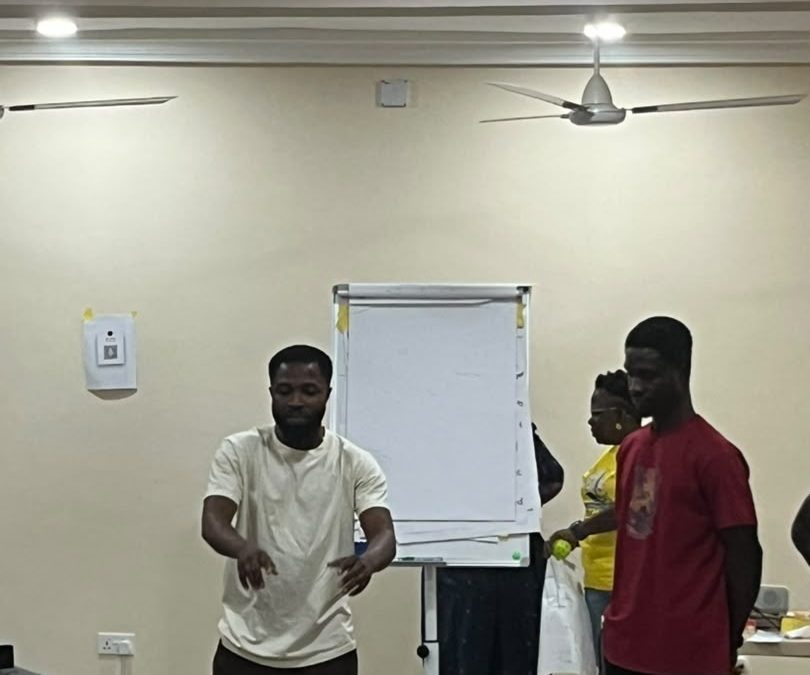
Advocates for Community Alternatives (ACA) has trained 60 Community-Based Facilitators (CBFs), Community Data Collectors (CDCs) and local government officials to strengthen the implementation of its Facilitated Collective Action Process (FCAP), popularly known as “Oman Yiedie.”
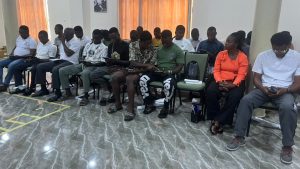
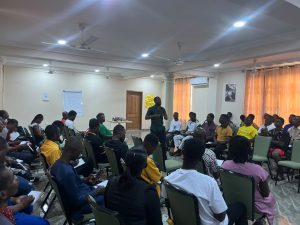
The five-day capacity-building training, held from August 3 to 7, 2026, at the Daasebre Agyemang Memorial Hotel at Asiakwa in the Eastern Region, brought together participants from Suhum, Abuakwa North, Nkoranza South, Abuakwa South and Fanteakwa North District Assemblies. One hundred communities in these districts are poised to roll out FCAP in the next two years.
The participants comprised 40 CBFs, ten CDCs and ten staff of the respective District Assemblies’ Community Development and Planning Units.
FCAP is a community-driven development approach that places communities at the centre of identifying, prioritizing and addressing their development needs. It is based on the principle that communities are best positioned to determine their development priorities when provided with the necessary information, facilitation and resources. In 2023, a hundred communities in Nkoranza South, Abuakwa South, Atiwa West and Fanteakwa South Districts implemented various projects under “Oman yie die.”
Practical skills
The training sought to equip participants with the knowledge and practical skills to effectively facilitate the FCAP process and strengthen collaboration among communities, ACA and local government institutions.
Key areas covered included community-driven development and FCAP, the roles and responsibilities of CBFs and local government partners, facilitation and inclusive decision-making, participatory identification and prioritization of community needs, data collection, and collaboration between communities and Municipal Assemblies.
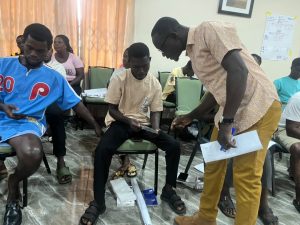
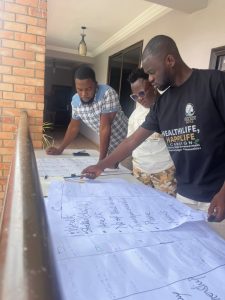
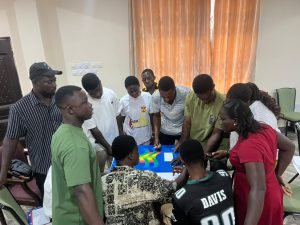
Participants engaged in group discussions, practical exercises, role plays, case studies, presentations and experience-sharing sessions designed to translate the concepts into practical community-level action.
The training is expected to improve participants’ understanding of the Oman Yiedie approach, strengthen their capacity to facilitate community-led processes and promote greater local government ownership of community development initiatives.
Community meetings
Following the training, the CBFs will spend the next two months facilitating community planning meetings, providing spaces for residents to discuss their needs, deliberate on priorities and collectively determine development pathways.
The process will also encourage communities to work closely with the District and Municipal Assemblies to ensure that identified priorities complement existing municipal development plans, address genuine gaps and minimize duplication of interventions.
ACA’s Senior Trainer, Francis Fernaldinho Manu, said the initiative was more than a training programme, describing it as an investment in local leadership, community ownership, data-informed decision-making and stronger partnerships between communities and local government.
Mr. Manu said Oman yie die was intended to demonstrate that development could become more responsive, cost-effective and sustainable when communities were empowered to lead their own development.
The FCAP initiative is funded by Spark Microgrants and implemented by ACA in partnership with selected partner municipal and district assemblies.
Through continued coaching, mentoring and technical support, ACA will support the CBFs and local government partners as they facilitate the process in their respective communities.
By combining community decision-making, ACA’s financial support, local government co-financing and supervision, the FCAP model seeks to create shared ownership and improve the sustainability and accountability of community investments.
The initiative is expected to move communities from training and dialogue to collective prioritization and ultimately to locally owned development action.
Recent Comments